
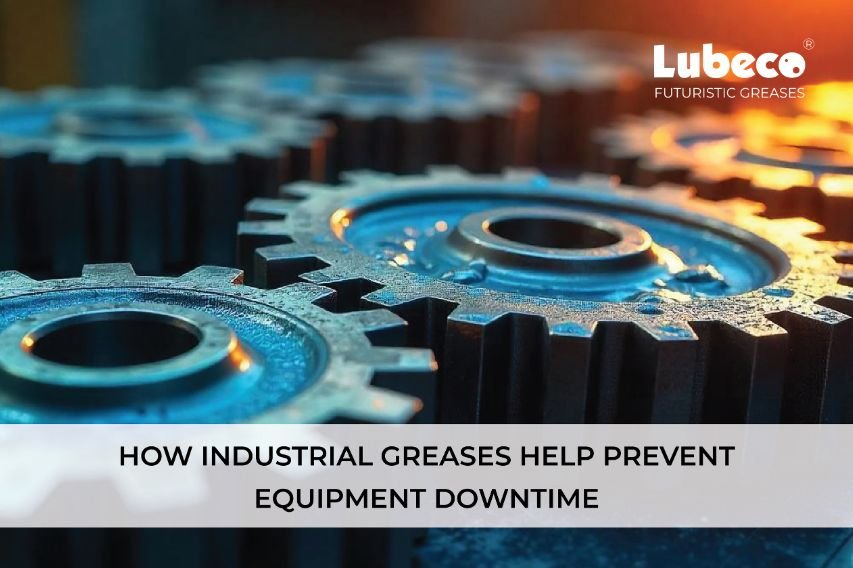
In today’s fast-paced industrial environments, the cost of equipment downtime can be staggering. From production halts to labor inefficiencies and delayed deliveries, the financial and reputational impact of unplanned maintenance is significant.
One of the unsung heroes in the battle against downtime is industrial grease. Proper lubrication not only ensures the smooth operation of machinery but also plays a pivotal role in extending equipment life and preventing unexpected breakdowns.
Let’s delve into how industrial greases help mitigate equipment downtime, exploring their composition, benefits, applications, and best practices for selection and maintenance.
What Are Industrial Greases?
Industrial greases are semi-solid lubricants designed to protect and optimize the performance of machinery. They are composed of three main components:
- Base Oil: This is the primary component that provides the lubrication. Base oils can be mineral-based, synthetic, or biobased, depending on the application and environmental considerations.
- Thickener: The thickener gives grease its semi-solid structure. Common thickeners include lithium, calcium, aluminum, and polyurea, each offering unique properties for specific applications.
- Additives: Additives enhance the grease’s properties, such as oxidation resistance, anti-wear characteristics, and water resistance. Common additives include anti-corrosion agents, extreme pressure (EP) additives, and solid lubricants like molybdenum disulfide.
The Role of Industrial Greases in Preventing Equipment Downtime
1. Minimizing Wear and Tear
Friction between moving parts generates heat and accelerates wear and tear, especially in high-load or high-speed applications.
Industrial greases create a protective film that reduces metal-to-metal contact, significantly minimizing friction and extending component life.
2. Protecting Against Contaminants
Machinery operates in environments filled with contaminants such as dust, dirt, water, and chemicals. These contaminants can cause abrasive wear, corrosion, and premature failure of components.
Industrial greases act as a barrier, preventing contaminants from reaching sensitive parts and maintaining optimal performance.
3. Reducing Heat and Energy Consumption
Excessive friction can lead to overheating, which not only damages components but also reduces energy efficiency. Industrial greases dissipate heat effectively, keeping temperatures under control and ensuring that equipment operates at peak efficiency.
4. Providing Long-Lasting Lubrication
Unlike oils that may require frequent reapplication, industrial greases adhere well to surfaces and provide long-lasting lubrication, even under harsh conditions.
This reduces the frequency of maintenance and lowers the risk of unplanned downtime.
Types of Industrial Greases and Their Applications
Choosing the right grease for your equipment is crucial for preventing downtime. Below are some common types of industrial greases and their typical applications:
- Lithium-Based Greases
- Applications: General-purpose lubrication in automotive, industrial, and marine sectors.
- Benefits: High-temperature stability, water resistance, and excellent adhesion.
- Calcium-Based Greases
- Applications: Low-temperature and water-intensive environments.
- Benefits: Superior water resistance but limited temperature range.
- Polyurea Greases
- Applications: Electric motors, conveyors, and other high-speed equipment.
- Benefits: Long life, high thermal stability, and excellent oxidation resistance.
- Molybdenum Disulfide (MoS2) Greases
- Applications: Heavy machinery, mining equipment, and high-load applications.
- Benefits: Exceptional performance under extreme pressure and shock loads.
- Synthetic Greases
- Applications: Aerospace, food processing, and extreme temperature conditions.
- Benefits: Wide temperature range, chemical resistance, and longer service life.
The Cost of Downtime
To understand the importance of industrial greases, it’s essential to recognize the financial implications of downtime. Studies show that unplanned downtime costs industrial manufacturers heavily. These costs stem from:
- Lost Production Time: Idle machines halt production lines, leading to delayed orders and revenue losses.
- Repair Expenses: Emergency repairs are often costlier than scheduled maintenance.
- Labor Inefficiencies: Downtime disrupts workflows, reducing overall productivity.
- Reputational Damage: Frequent delays can tarnish a company’s reputation, resulting in lost business opportunities.
Investing in high-quality greases and proactive lubrication management is a cost-effective strategy to avoid these pitfalls.
Best Practices for Using Industrial Greases
To maximize the benefits of industrial greases, it’s essential to follow best practices in selection, application, and maintenance:
1. Choose the Right Grease
- Match the grease’s specifications to the operating conditions (temperature, load, speed, and environment).
- Consult equipment manufacturer recommendations.
2. Apply the Correct Amount
- Over-greasing can cause heat buildup and seal damage, while under-greasing leads to insufficient protection.
- Use precision tools like grease guns to ensure accurate application.
3. Monitor and Reapply as Needed
- Regularly inspect lubrication points for signs of contamination or depletion.
- Reapply grease according to the equipment’s maintenance schedule.
4. Store Greases Properly
- Keep greases in a clean, dry environment to prevent contamination.
- Use sealed containers and label them clearly to avoid cross-contamination.
5. Train Maintenance Teams
- Ensure maintenance personnel are trained in lubrication techniques and understand the importance of using the correct grease.
Advances in Grease Technology
The lubrication industry continues to innovate, offering advanced greases that provide enhanced performance and sustainability:
- Nano-Lubricants
Nano-sized particles improve film strength and reduce friction at the microscopic level. - Environmentally Friendly Greases
Biodegradable and non-toxic greases meet environmental regulations and are ideal for sensitive applications. - Smart Grease Systems
Sensor-enabled systems monitor lubrication levels and automatically apply grease as needed, reducing human error.
Real-World Applications
Mining Equipment
A mining company faced frequent downtime due to bearing failures in their heavy-duty trucks. Switching to a molybdenum disulfide grease designed for extreme pressure conditions reduced bearing failures by 60%, saving the company millions in repair and replacement costs.
Food Processing Plant
A food processing plant struggled with contamination issues in their conveyor systems. Implementing a food-grade synthetic grease with excellent water resistance and anti-corrosion properties minimized contamination risks and extended equipment life.
To Sum It Up
Industrial greases are more than just lubricants; they are essential tools in the fight against equipment downtime.
By reducing friction, protecting against contaminants, and ensuring long-lasting lubrication, greases help maintain smooth operations and improve the bottom line.
Understanding the different types of greases, their applications, and best practices for use can empower industries to make informed decisions and reap the benefits of proactive lubrication management.
Investing in the right grease today can save countless hours of downtime and significant costs tomorrow.
FAQ’s
1. What is the primary purpose of industrial grease?
Industrial grease reduces friction, protects against contaminants, and ensures smooth machinery operation, ultimately preventing equipment downtime.
2. How do I choose the right grease for my equipment?
Consider factors such as temperature, load, speed, and environmental conditions. Refer to the equipment manufacturer’s recommendations for guidance.
3. Can over-greasing harm my equipment?
Yes, over-greasing can cause heat buildup, seal damage, and even component failure. It’s crucial to apply the correct amount.
4. Are there environmentally friendly grease options?
Yes, biodegradable and non-toxic greases are available and are suitable for applications where environmental regulations are a concern.
5. How often should I reapply grease?
Reapplication frequency depends on the equipment type and operating conditions. Regular inspections and adherence to maintenance schedules are key.