
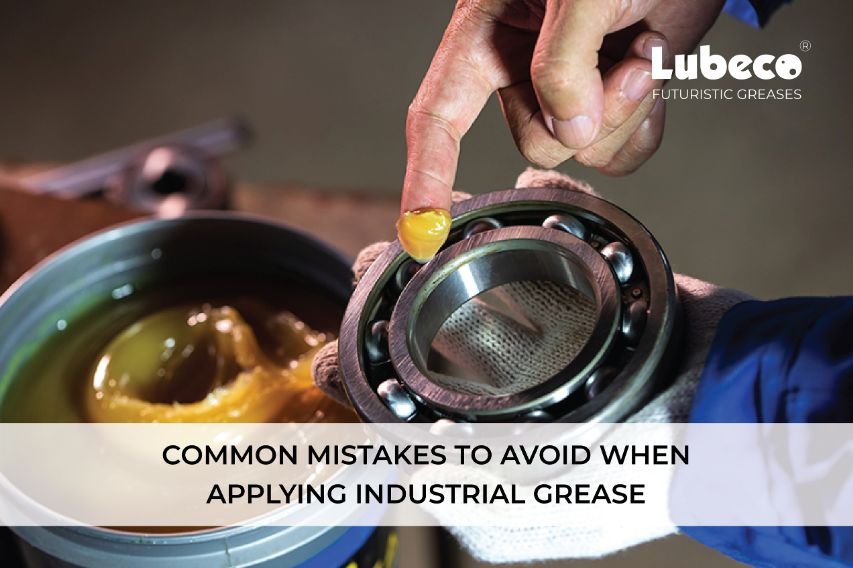
Industrial grease plays a critical role in ensuring the smooth operation of machinery across various industries. It minimizes friction, reduces wear and tear, and protects components against environmental damage.
However, improper application of grease can lead to equipment failure, increased maintenance costs, and even safety hazards.
Let’s explore the common mistakes made when applying industrial grease and provide actionable tips to avoid them.
1. Using the Wrong Type of Grease
Selecting the correct type of grease is fundamental. Each machinery type and operational condition demands specific grease properties for optimal performance.
Why It Matters
Greases are formulated with specific base oils, thickeners, and additives to meet the requirements of different applications. Using the wrong grease can result in inadequate lubrication, leading to component damage.
Common Mistake
Choosing grease based on availability or cost rather than compatibility with the machinery’s requirements.
How to Avoid It
- Understand Application Requirements: Refer to the manufacturer’s guidelines to identify the recommended grease type.
- Consider Operating Conditions: Assess factors such as load, speed, temperature, and environmental exposure.
- Consult an Expert: If unsure, consult with a lubrication specialist to ensure compatibility.
2. Mixing Incompatible Greases
Mixing greases without understanding their compatibility can undo all the benefits of lubrication, causing equipment inefficiency or damage.
Why It Matters
Different greases may have incompatible thickeners or base oils, leading to degradation of lubrication properties.
Common Mistake
Adding a new grease without checking compatibility with the existing one.
How to Avoid It
- Check Compatibility Charts: Many manufacturers provide compatibility charts for their products.
- Flush the System: When switching greases, completely flush out the old grease before applying the new one.
- Use a Single Supplier: Stick to a single manufacturer’s products whenever possible.
3. Over-Greasing
Over-greasing can be as harmful as under-greasing, often leading to operational inefficiencies and premature component failures.
Why It Matters
Excess grease can cause increased pressure, leading to seal damage and overheating.
Common Mistake
Believing that more grease equals better lubrication.
How to Avoid It
- Follow Manufacturer’s Recommendations: Apply the recommended amount of grease for each component.
- Use Proper Tools: Employ grease guns with metered output to control the amount applied.
- Train Operators: Ensure maintenance staff understands the risks of over-greasing.
4. Under-Greasing
Under-greasing can lead to significant damage and costly repairs, making consistent lubrication a priority.
Why It Matters
Insufficient grease can result in metal-to-metal contact, causing excessive wear and potential equipment failure.
Common Mistake
Neglecting regular lubrication schedules or applying too little grease during maintenance.
How to Avoid It
- Set a Maintenance Schedule: Establish a lubrication calendar based on manufacturer’s recommendations.
- Inspect Regularly: Check grease levels and condition during routine inspections.
- Invest in Automatic Lubricators: These devices ensure consistent grease application over time.
5. Failing to Clean Components Before Application
Cleanliness is essential for effective lubrication. Contaminants can negate the benefits of even the highest-quality grease.
Why It Matters
Contaminants such as dirt, dust, and old grease can compromise the performance of the new grease.
Common Mistake
Applying grease over dirty or contaminated surfaces.
How to Avoid It
- Clean Components Thoroughly: Use solvents or cleaning agents to remove old grease and debris.
- Use Clean Tools: Ensure that grease guns and applicators are free from contaminants.
- Protect During Maintenance: Cover components to prevent dirt ingress during maintenance.
6. Using the Wrong Application Method
Applying grease correctly is just as important as choosing the right type. Improper methods can lead to uneven coverage and missed points.
Why It Matters
Improper application techniques can result in uneven distribution or missed lubrication points.
Common Mistake
Using inappropriate tools or failing to apply grease uniformly.
How to Avoid It
- Choose the Right Tools: Use grease guns, brushes, or automatic lubricators suitable for the application.
- Train Staff: Provide training on proper application techniques.
- Inspect Post-Application: Verify that grease is evenly distributed across all required surfaces.
7. Ignoring Temperature Limits
Temperature extremes can compromise lubrication performance. Using the right grease for the environment is crucial.
Why It Matters
Grease performance is highly dependent on operating temperatures. Exceeding temperature limits can lead to grease breakdown.
Common Mistake
Using a general-purpose grease in high-temperature or low-temperature environments.
How to Avoid It
- Check Temperature Ratings: Always use grease with a temperature range that matches your application.
- Monitor Operating Temperatures: Install sensors to detect temperature fluctuations in critical areas.
- Switch to High-Performance Grease: For extreme conditions, opt for synthetic or specialized greases.
8. Failing to Monitor Grease Condition
Monitoring grease condition ensures timely maintenance and prevents unexpected equipment failures.
Why It Matters
Over time, grease can degrade due to oxidation, contamination, or mechanical stress.
Common Mistake
Assuming grease remains effective without regular inspection.
How to Avoid It
- Conduct Regular Testing: Analyze grease samples for signs of degradation.
- Use Condition Monitoring Tools: Employ devices like ultrasound or infrared sensors to assess lubrication quality.
- Replace When Needed: Don’t wait for visible issues; replace degraded grease promptly.
9. Not Labeling Lubrication Points
Clear labeling of lubrication points ensures that no area is overlooked during maintenance routines.
Why It Matters
Unlabeled points can lead to missed or incorrect lubrication, causing equipment inefficiency or failure.
Common Mistake
Failing to identify and label all lubrication points on machinery.
How to Avoid It
- Create a Lubrication Map: Document all lubrication points with detailed instructions.
- Label Clearly: Use durable, easy-to-read labels near each point.
- Audit Regularly: Verify that all points are correctly labeled and maintained.
10. Neglecting Safety Precautions
Safety should never be compromised. Proper precautions protect personnel and prevent accidents during grease application.
Why It Matters
Grease application often involves working near moving parts or hazardous areas. Neglecting safety can lead to injuries.
Common Mistake
Skipping personal protective equipment (PPE) or ignoring lockout/tagout procedures.
How to Avoid It
- Enforce Safety Protocols: Always follow established safety guidelines during maintenance.
- Provide Adequate Training: Ensure staff understands the risks and proper procedures.
- Equip Properly: Use gloves, goggles, and other PPE as required.
Let’s Conclude
Proper application of industrial grease is essential for the longevity and efficiency of machinery.
Avoiding common mistakes—such as using the wrong grease, over-greasing, or neglecting safety precautions—can save time, reduce costs, and prevent equipment downtime.
By following the best practices outlined in this guide, maintenance teams can ensure optimal performance and reliability of their equipment.
Investing time in training, using the right tools, and adhering to manufacturer guidelines will go a long way in avoiding these pitfalls.
Remember, lubrication isn’t just about applying grease; it’s about applying it correctly.
FAQ’s
1. How often should I grease my machinery?
The frequency of greasing depends on the machinery type, operating conditions, and manufacturer recommendations. Refer to the lubrication schedule provided in the user manual.
2. What happens if I mix two different greases?
Mixing incompatible greases can lead to reduced performance or even damage due to chemical incompatibility. Always check compatibility charts or consult with a lubrication specialist.
3. Can over-greasing damage equipment?
Yes, over-greasing can cause increased pressure, leading to seal damage, overheating, and potential component failure. Always apply the recommended amount of grease.