
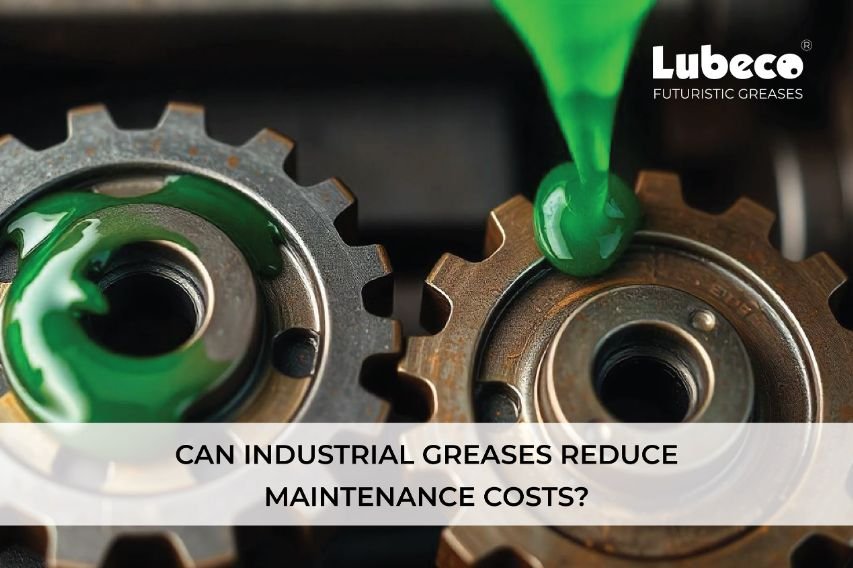
In the industrial world, machinery downtime and high maintenance costs can significantly impact productivity and profitability. Ensuring the longevity and efficiency of equipment is a priority for businesses, and one often-overlooked solution lies in the use of industrial greases.
These lubricants play a crucial role in reducing friction, preventing wear, and safeguarding components from environmental damage.
But can industrial greases truly help reduce maintenance costs? Let’s delve into this topic in detail to understand their impact and the benefits they offer.
The Role of Industrial Greases in Machinery Maintenance
Industrial greases are specialized lubricants that combine a base oil, thickener, and performance-enhancing additives.
Unlike liquid lubricants, greases provide a semi-solid consistency that allows them to stay in place, even in challenging operating conditions.
Their primary function is to reduce friction and wear between moving parts, but their benefits extend far beyond basic lubrication.
Key Functions of Industrial Greases:
- Friction Reduction: By forming a protective film between surfaces, greases minimize contact and reduce energy losses.
- Wear Prevention: Greases prevent direct metal-to-metal contact, which reduces abrasion and extends component lifespan.
- Corrosion Protection: Many greases contain additives that shield components from moisture, chemicals, and other corrosive agents.
- Temperature Stability: High-performance greases maintain their properties across a wide temperature range, ensuring reliable operation in extreme conditions.
- Sealing Capability: Greases act as a barrier, preventing contaminants like dirt and water from entering critical components.
How Industrial Greases Help Reduce Maintenance Costs
1. Extending Equipment Lifespan
Proper lubrication with high-quality industrial greases minimizes wear and tear on machinery components. Reduced friction leads to less surface degradation, ensuring that parts last longer and need fewer replacements.
This directly translates into cost savings by lowering the frequency of repairs and parts procurement.
Real-Life Example:
Consider bearings in a manufacturing plant. Bearings subjected to heavy loads and high speeds are prone to wear. Using a grease designed for extreme pressure (EP) conditions can prolong the bearing’s service life, reducing replacement costs and associated downtime.
2. Reducing Downtime
Unplanned equipment breakdowns are a major contributor to operational inefficiencies and financial losses. Industrial greases with superior thermal stability and load-bearing capacity ensure that machinery runs smoothly, reducing the likelihood of unexpected failures.
Proactive Maintenance:
Grease with extended re-lubrication intervals allows for predictive maintenance, ensuring equipment remains operational while reducing labor costs and downtime.
3. Energy Efficiency
Friction between components not only causes wear but also results in energy losses. By reducing friction, industrial greases improve the efficiency of machinery, leading to lower energy consumption.
Over time, this can result in significant savings on energy bills, especially for energy-intensive industries.
Efficiency in Action:
In electric motors, using a low-viscosity grease tailored for high-speed applications can reduce power consumption and operating temperatures, contributing to overall energy savings.
4. Protecting Against Environmental Factors
Industrial machinery often operates in harsh environments with exposure to moisture, dust, and chemicals. Without proper protection, these elements can cause corrosion and premature equipment failure.
Specialized greases with water-resistant and anti-corrosion properties safeguard machinery, reducing maintenance costs associated with environmental damage.
Example:
In marine environments, calcium-based greases are commonly used to protect equipment from saltwater corrosion, ensuring prolonged functionality.
5. Simplifying Maintenance Practices
Modern industrial greases are formulated to withstand long operating hours without degradation. Their ability to perform under extreme conditions means fewer lubrication cycles are required, saving time and resources.
Additionally, multi-purpose greases can be used across various applications, simplifying inventory management and reducing costs.
Multi-Purpose Grease Advantages:
- Reduced need for specialized lubricants.
- Simplified training for maintenance personnel.
- Lower inventory and storage costs.
Choosing the Right Industrial Grease for Cost Savings
Selecting the right grease is critical to maximizing its cost-saving benefits. Factors to consider include operating conditions, load requirements, and environmental factors. Here’s how to make the right choice:
1. Understand Operating Conditions
- Temperature Range: High-temperature environments require greases with excellent thermal stability, such as polyurea or synthetic greases.
- Load Requirements: For heavy-duty applications, EP greases fortified with solid lubricants like molybdenum disulfide are ideal.
- Speed: Low-viscosity greases are suited for high-speed applications to reduce friction.
2. Evaluate Environmental Factors
- Water Resistance: In wet conditions, calcium or aluminum complex greases offer superior performance.
- Corrosion Protection: Additives in the grease formulation can protect components from rust and oxidation.
- Dust and Contaminants: Sealing greases prevent particles from entering sensitive components.
3. Consider Compatibility
Switching between different types of greases without considering compatibility can lead to performance issues. Always consult manufacturer guidelines to ensure the selected grease is suitable for your equipment.
4. Opt for High-Quality Greases
Investing in premium greases may seem costly initially, but their long-term benefits in reducing maintenance and operational expenses far outweigh the upfront costs.
Industries Benefiting from Cost Savings with Industrial Greases
1. Automotive Industry
In the automotive sector, greases are essential for wheel bearings, chassis lubrication, and universal joints. Using the right grease reduces wear and enhances vehicle performance, minimizing repair costs.
2. Manufacturing
Manufacturing plants rely on conveyor systems, motors, and gearboxes to maintain productivity. Proper lubrication ensures seamless operation, reducing downtime and increasing efficiency.
3. Agriculture
Farm equipment operates in challenging conditions with exposure to dirt, water, and heavy loads. Greases designed for such environments protect machinery, extending its service life.
4. Energy Sector
Wind turbines, hydroelectric equipment, and other energy infrastructure require specialized greases to handle varying loads and weather conditions. Effective lubrication reduces maintenance costs while ensuring optimal energy output.
5. Mining and Construction
Heavy-duty equipment in mining and construction faces extreme pressure and harsh conditions. Industrial greases formulated for these applications reduce wear and improve operational reliability.
Tips for Maximizing the Cost-Saving Potential of Industrial Greases
- Regular Monitoring: Periodically inspect grease condition and reapply as needed to ensure consistent performance.
- Training Maintenance Staff: Equip personnel with knowledge about grease selection, application techniques, and re-lubrication intervals.
- Invest in Lubrication Systems: Automatic lubrication systems ensure precise and consistent application, reducing waste and human error.
- Follow Manufacturer Recommendations: Adhering to equipment manufacturer guidelines ensures compatibility and optimal performance.
Let’s Conclude
Industrial greases are more than just lubricants—they are an investment in the efficiency, reliability, and longevity of machinery.
By reducing friction, preventing wear, and protecting against environmental factors, industrial greases play a pivotal role in cutting maintenance costs.
Selecting the right grease for specific applications, coupled with proper maintenance practices, can lead to significant savings and improved operational performance.
For industries seeking to optimize their machinery and reduce expenses, leveraging the benefits of industrial greases is a step in the right direction.
FAQ’s
1. How often should industrial grease be replaced?
Replacement intervals depend on the application and operating conditions. Consult manufacturer recommendations and conduct regular inspections to determine the optimal schedule.
2. Can using high-quality grease eliminate all maintenance needs?
While high-quality grease reduces maintenance requirements, it cannot eliminate the need for regular checks and proper equipment care.
3. What happens if incompatible greases are mixed?
Mixing incompatible greases can result in a breakdown of the thickener structure, leading to reduced performance and potential equipment damage.