

When it comes to industrial operations, the efficiency and longevity of machinery often depend on the type of lubrication used.
Industrial greases, a crucial subset of lubricants, play a vital role in reducing friction, preventing wear, and ensuring smooth operation of equipment. However, when machinery operates in extreme temperature conditions, standard greases often fall short.
This is where specialized industrial greases for extreme temperatures come into play. Let’s explore everything you need to know about these greases, from their composition and applications to how to select the right one for your needs.
What Are Industrial Greases?
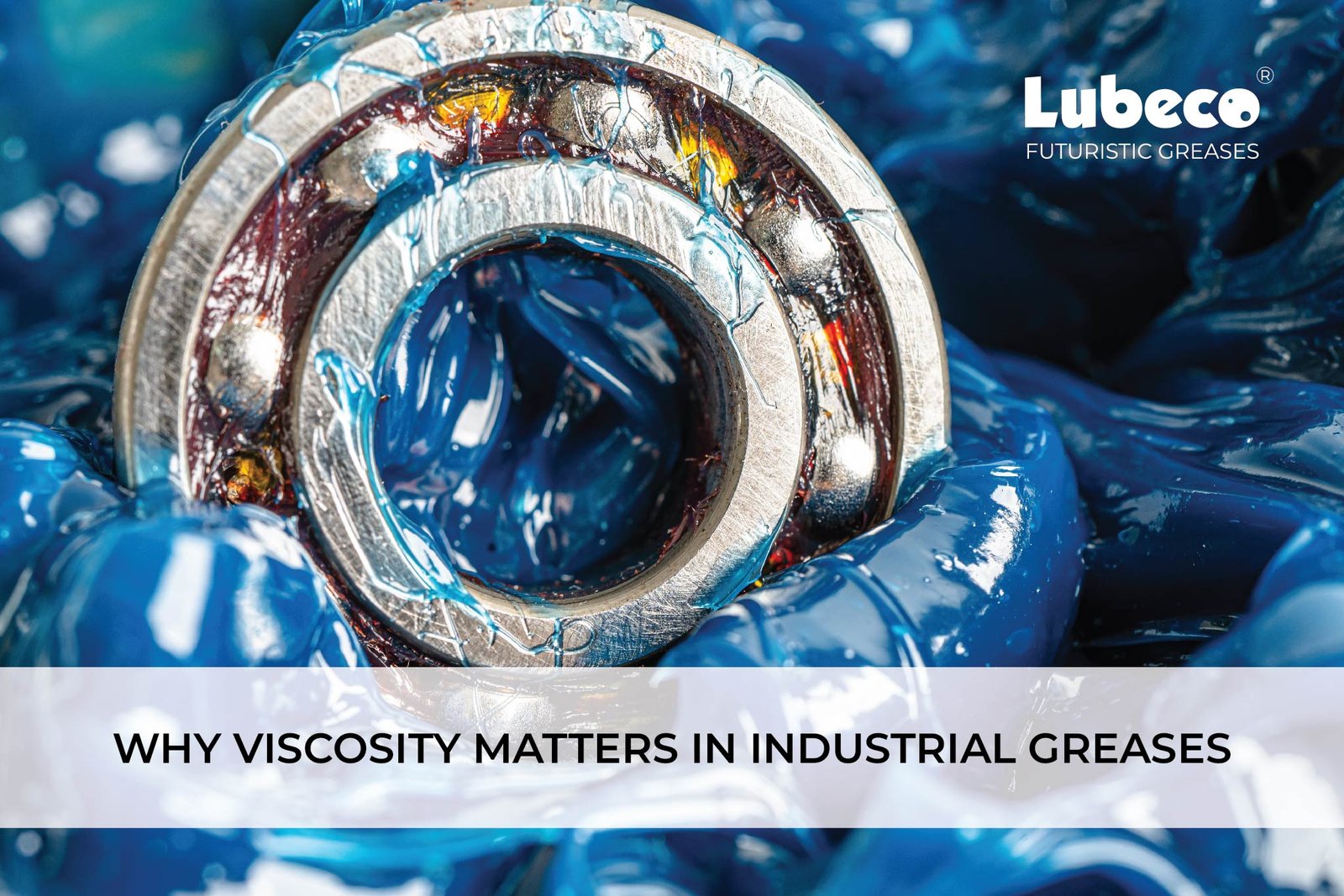
Industrial grease is a semi-solid lubricant that combines base oil, thickener, and additives. It is used to minimize friction and wear between mechanical components, particularly in situations where conventional lubricating oils might fail to stay in place.
Greases provide a stable lubricating film that resists leakage, even under pressure or gravity.
Key Components of Grease:
- Base Oil: The core component that determines the viscosity and temperature range of the grease. It can be mineral-based, synthetic, or bio-based.
- Thickener: Provides semi-solid consistency. Common thickeners include lithium, calcium, aluminum complex, and polyurea.
- Additives: Enhance performance by offering properties such as anti-wear, corrosion resistance, and high-temperature stability.
Challenges of Extreme Temperature Conditions
Operating machinery in extreme temperatures—whether extremely high or low—presents unique challenges:
- High Temperatures: Grease can oxidize, break down, or lose its lubricating properties at elevated temperatures. This leads to increased wear and potential equipment failure.
- Low Temperatures: Grease can thicken or solidify, causing increased friction and making it difficult for moving parts to operate smoothly.
- Temperature Swings: Rapid changes in temperature can cause thermal expansion and contraction, making consistent lubrication more challenging.
Types of Greases for Extreme Temperatures
To combat these challenges, manufacturers have developed specialized greases capable of performing reliably in extreme conditions. Let’s look at some types:
1. High-Temperature Greases
Designed to maintain stability and lubricating properties in environments exceeding 250°C (482°F).
- Key Ingredients: Synthetic base oils (like PAOs or esters), lithium complex or polyurea thickeners, and high-temperature antioxidants.
- Applications: Steel mills, industrial ovens, and applications with prolonged exposure to heat.
2. Low-Temperature Greases
Formulated to remain pliable and effective at temperatures as low as -50°C (-58°F).
- Key Ingredients: Low-viscosity synthetic oils and additives to prevent solidification.
- Applications: Aerospace, refrigeration equipment, and cold storage facilities.
3. Multi-Temperature Greases
Able to perform across a wide temperature range, making them ideal for machinery subjected to varying conditions.
- Key Ingredients: Advanced synthetic oils and versatile thickeners like lithium complex.
- Applications: Automotive applications and equipment exposed to both hot and cold climates.
How to Select the Right Grease for Extreme Temperatures
Choosing the right grease requires careful consideration of several factors:
1. Operating Temperature Range
Understand the minimum and maximum temperatures the grease will need to withstand. A mismatch can lead to performance degradation or equipment failure.
2. Base Oil Viscosity
Select a grease with a base oil viscosity suitable for your machinery’s speed and load requirements.
3. Compatibility with Materials
Ensure the grease is compatible with the materials used in seals, bearings, and other components to prevent chemical degradation.
4. Environmental Factors
Consider other environmental challenges such as moisture, dirt, and corrosive substances. Some greases offer additional resistance to these elements.
5. Certification and Standards
Look for greases that meet or exceed industry standards such as ISO for reliability and safety.
Applications of Extreme Temperature Greases
These specialized greases find applications in a variety of industries:
- Aerospace: Ensuring smooth operation of components in sub-zero conditions at high altitudes.
- Automotive: Lubricating wheel bearings, engines, and suspension systems exposed to diverse temperatures.
- Manufacturing: Providing reliable lubrication in high-heat environments such as furnaces and forging equipment.
- Food Processing: Using food-grade greases for equipment operating at high temperatures without compromising hygiene.
- Energy Sector: Lubricating equipment in extreme climates, such as oil rigs or wind turbines.
Advantages of Using the Right Grease
- Enhanced Equipment Lifespan: Reduces wear and tear, extending the life of critical components.
- Improved Efficiency: Minimizes energy losses due to friction.
- Reduced Downtime: Reliable lubrication reduces the frequency of maintenance and unexpected breakdowns.
- Cost Savings: By preventing failures, the right grease can save significant repair and replacement costs.
Maintaining Grease Performance in Extreme Conditions
Even the best grease requires proper maintenance practices to deliver optimal performance:
- Regular Inspection: Check for signs of grease degradation, contamination, or leakage.
- Proper Storage: Store grease in a cool, dry place to maintain its properties.
- Correct Application: Use appropriate tools to apply the grease evenly and in the right quantity.
- Monitor Operating Conditions: Keep an eye on temperature and load fluctuations to adjust lubrication schedules as needed.
Common Myths About Industrial Greases
- One Grease Fits All Applications:
Different machinery and conditions require specific formulations. Make sure to select the right grease for your application - More Grease Means Better Lubrication:
Over-lubricating can lead to heat buildup and damage. - Grease Doesn’t Need Maintenance:
Regular checks are essential to ensure continued performance.
Future Trends in Industrial Greases for Extreme Temperatures
As technology advances, industrial greases are evolving to meet the demands of modern machinery and sustainability goals:
- Bio-Based Greases: Eco-friendly alternatives that offer comparable performance to synthetic greases.
- Nanotechnology: Greases infused with nanoparticles for improved thermal conductivity and reduced wear.
- Smart Lubrication Systems: IoT-enabled systems that monitor and manage lubrication in real-time.
Final Thoughts
Industrial greases for extreme temperatures are indispensable for industries relying on heavy machinery operating under challenging conditions.
By selecting the right grease and maintaining it properly, businesses can ensure operational efficiency, reduce costs, and prolong the lifespan of their equipment.
Whether you’re dealing with searing heat in a steel mill or frigid cold in a refrigerated warehouse, there’s a specialized grease designed to meet your needs.
Understanding the science and applications behind these greases is key to making informed decisions. With innovations on the horizon, the future of industrial lubrication is brighter than ever.
FAQ’s
1. What makes a grease suitable for high-temperature applications?
Greases for high-temperature applications contain synthetic base oils and specialized thickeners like lithium complex or polyurea, which resist oxidation and maintain stability under extreme heat.
2. Can I use the same grease for both high and low temperatures?
Multi-temperature greases are designed for this purpose. However, ensure the grease meets the specific temperature range and performance requirements of your application.
3. How often should grease be replaced in extreme conditions?
This depends on the operating environment and machinery. Regular inspections and adherence to manufacturer recommendations can help determine optimal intervals.
4. Are bio-based greases suitable for extreme temperatures?
Yes, recent advancements in bio-based greases make them capable of handling a wide range of temperatures while being environmentally friendly.
5. What is the main advantage of synthetic greases over mineral-based greases? Synthetic greases offer superior performance in extreme temperature ranges, better oxidative stability, and longer service life compared to mineral-based greases.